Define the design cases
Identify normal, minimum, maximum, startup and peak-demand conditions that matter.
Convert process requirements and operating data into traceable heat balances, equipment duties and practical thermal-system decisions.
System-level calculations are built around defined operating cases, energy flows and the decision the project needs to make.
Every calculated duty is tied to stated inputs, property methods, assumptions and an operating case.
Identify normal, minimum, maximum, startup and peak-demand conditions that matter.
Review flows, pressures, temperatures, compositions, schedules and available measurements.
Calculate mass flow, heat duty, steam demand, losses and recoverable energy.
Compare required duty with equipment, storage, utility and control-system capability.
Check uncertain inputs, turndown, fouling, ambient conditions and demand variation.
Deliver calculation results, assumptions, margins, limitations and recommended actions.
Use the calculator for preliminary screening, then follow the engineering guides to understand the assumptions and sizing workflow.
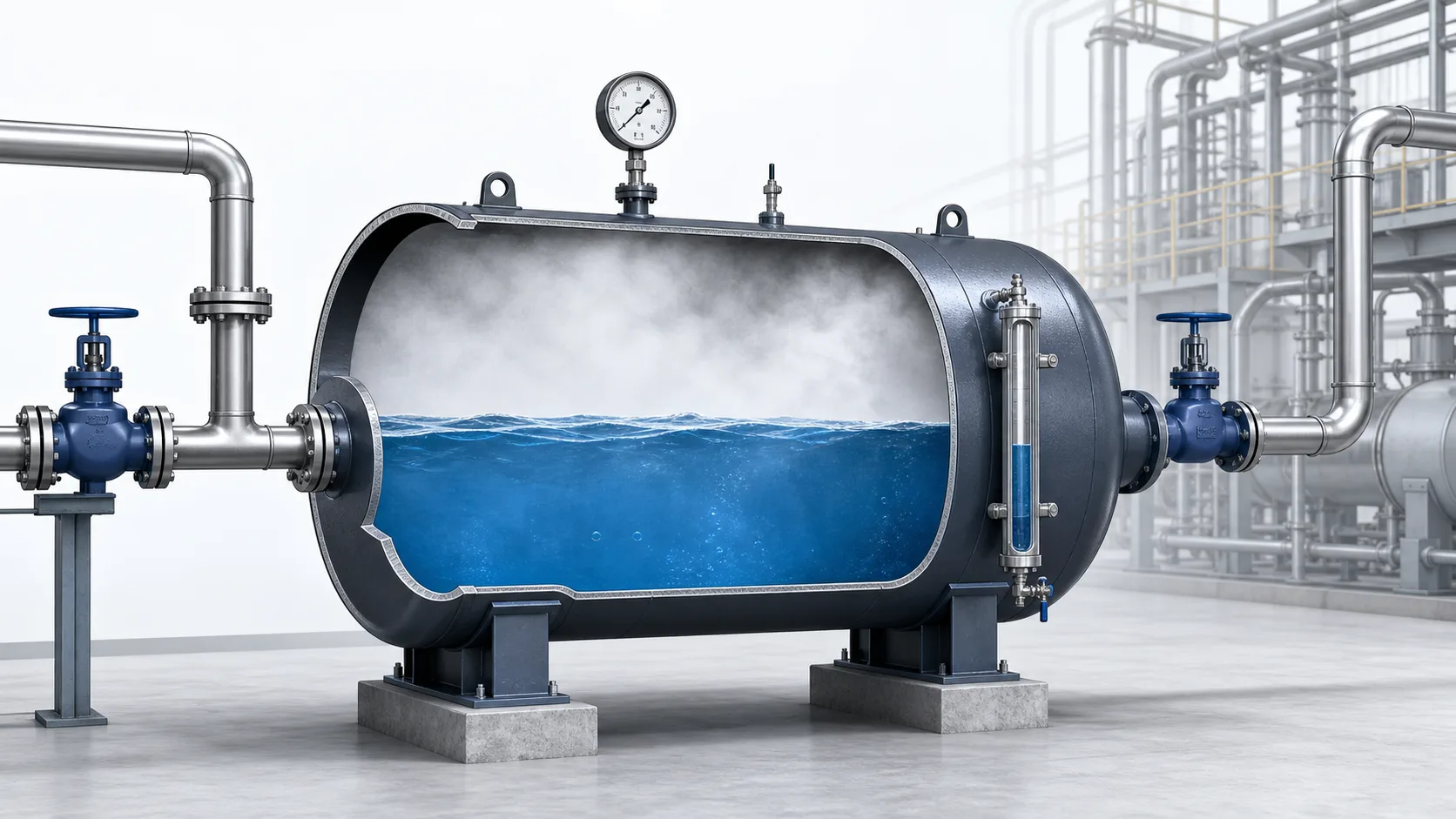
Estimate stored steam, discharge duration, charging rate, water inventory and pressure-cycle behavior.
Open the calculator →Work from peak demand and operating pressures to required storage and preliminary vessel volume.
Read the sizing guide →Understand charging, discharging, controls and where storage can improve boiler-load stability.
Read the introduction →Thermal Design establishes the process duty, utility demand, operating cases and system capacity. Detailed exchanger geometry, mechanical design, pressure-vessel compliance and fabrication drawings require their own defined scope.
Use Combustion Optimization when boiler performance is driven by fuel, emissions or air distribution. A future Heat Exchanger Design service will address detailed thermal rating and equipment-specific selection.
Share the process conditions, equipment data, load profile and decision your team needs to make. CADBoostPro can review the information and propose an appropriate calculation scope.
Discuss your thermal project →Provide one normal operating case and the most demanding peak case, including measured flow, pressure and temperature data where available.